

Home Office Design: 5 Things to Plan Before You Build
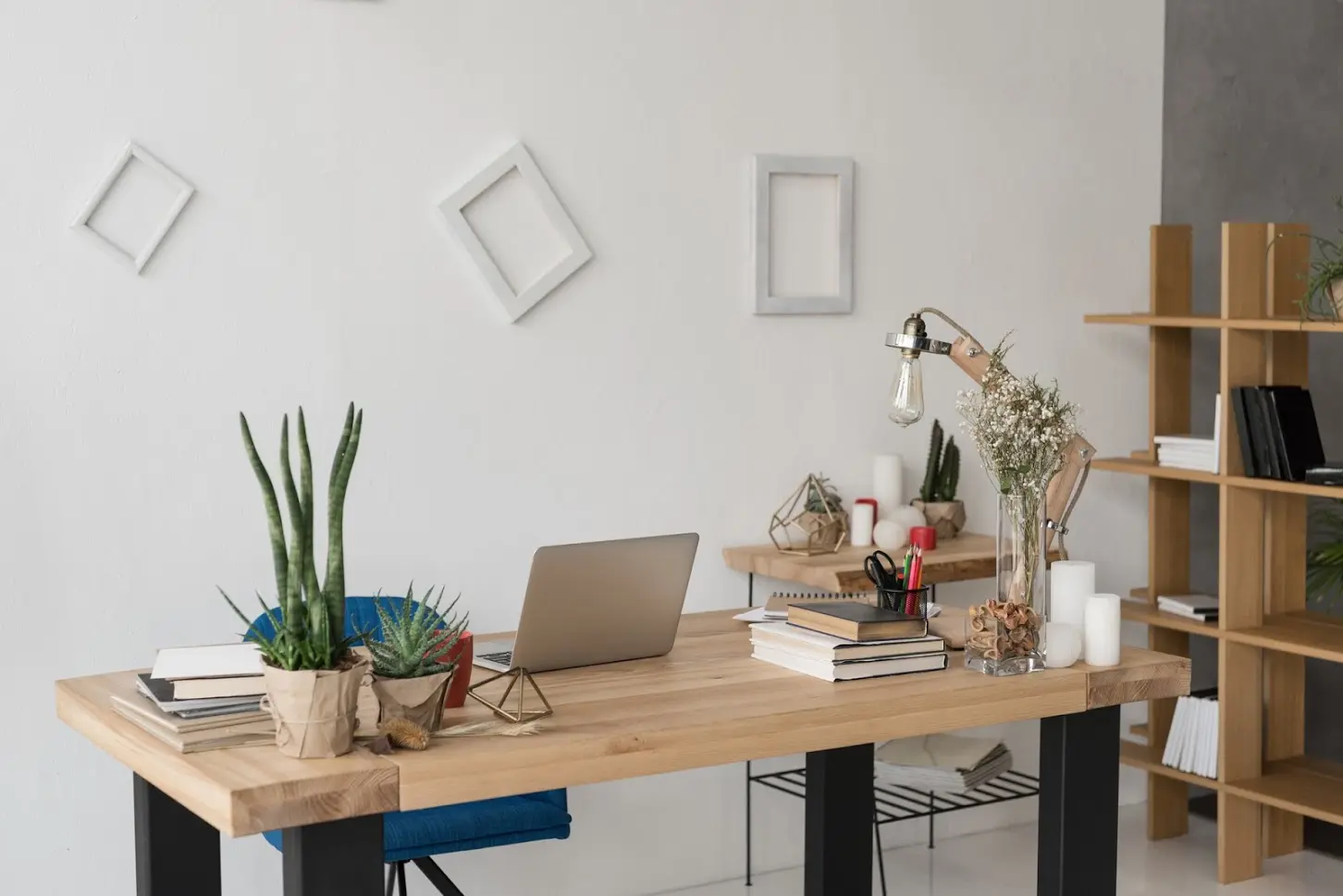
A good home office design does five things well. It keeps noise out, lights your work without glare, fits your body, gives you the power and data you need, and looks right on a video call. For many people, that’s no longer a pandemic workaround. The Bureau of Labor Statistics reports that 22.6 percent of workers teleworked or worked at home for pay in March 2026, and the rate has stayed between 21.5 and 23.0 percent over the past year. Working from home has settled in, so the room you work in deserves real planning.
Quick answers
- Where should a home office go? Somewhere quiet, with a door and good light. Spare room, basement, or an addition all work.
- What matters most? Sound, lighting, comfort, and power.
- Do you need a new room? Not always. Many people get what they need from a well-planned existing space.
1. Sound: keep the house out of your day
Noise is the top complaint of people who work at home, and much of it comes through the door. Many interior doors are hollow-core, which lets sound pass easily. A solid door and a seal around its edges help. So do soft surfaces such as rugs, drapes, and upholstered pieces, which absorb sound inside the room. If the room shares a wall with the kitchen or a family room, ask your designer about adding insulation to that wall while it’s open.
2. Lighting: easy on the eyes, good on camera
Skip the bright overhead glare. Use soft general light, then add a task light at your desk. Position the desk so a window sits to the side, not behind or in front of your screen, since the American Academy of Ophthalmology lists reflections and a window behind the monitor among the things that make eye strain worse. For video calls, put light in front of you, not behind. Natural light helps too. Our post on ways to increase natural light has ideas.
3. Ergonomics: fit the room to your body
The American Academy of Ophthalmology suggests sitting about 25 inches, an arm’s length, from your screen, positioned so you’re gazing slightly downward. Plan the desk, chair, and storage around that. Keep what you use daily within easy reach. For eye comfort, the Academy recommends the 20-20-20 habit: every 20 minutes, look at something 20 feet away for 20 seconds.
Leave a spot for a break, such as a chair or a small seating nook. A room built only for sitting at a desk gets tiring.
4. Power and data: plan before the walls close
Outlets are easy to add now and costly to add later. Put outlets on every wall and near the desk. Plan a spot for a wired internet connection, which is generally steadier than Wi-Fi for long calls. Think about where printers, chargers, and a second monitor will live, so cords don’t cross the room.
5. Storage and a clean backdrop
A tidy background helps on camera, and a tidy room helps you think. Built-in shelves and a desk can use a wall that would otherwise sit empty. Our built-ins post shows smart spots, and our AnnTucker Cabinetry shop in Itasca builds custom cabinets, so your designer can plan a desk and shelving with the people making them.
Which kind of home office is right?
If you have a spare room, remodeling it may be all you need. If you don’t, a basement can work well, though it needs good light and sound planning. If you need more space than the house offers, read our guide to a home office addition, which covers location, size, and the questions to ask first.
What does it take?
It depends on the room and the plan. A new addition typically takes about 4 to 6 months with us. For a room that’s already there, your project manager confirms the schedule once the design is final. There’s no single price, and you get an itemized estimate once your design is final.
Home office design questions
How many outlets does a home office need?
Enough that you never need an extension cord. At least one on every wall is a good start.
Does a home office need a door?
It helps with sound and focus.
Can a basement be a home office?
Yes, with good lighting and sound planning.
Ready to plan your home office?
Tell us how you work and what you need, and we’ll talk through the best room and layout for you.
Schedule a Free Consultation
Consultation
"*" indicates required fields